
Why now is the buying window—and what’s different from years past
Late winter through early spring is no longer a “wait and see” period for outdoor sporting goods retailers. It’s buying season. The decisions made right now determine how well stores perform through late spring, peak summer, and even early fall shoulder seasons.
What’s changed? Consumer behavior, product innovation, and margin pressure are pushing buyers to think differently than they did just a few years ago. Spring/summer assortments are becoming more intentional, modular, and experience-driven—with less emphasis on bulky legacy SKUs and more focus on products that solve real problems, turn quickly, and tell a clear story on the shelf.
Here are the key outdoor gear trends retail buyers should be planning for now, and how they differ from years past.
1. Sustainability Has Moved From Marketing to Materials
Eco-friendly outdoor gear is no longer a niche category—it’s becoming table stakes. The difference in 2026 is that sustainability is less about branding language and more about material execution.
Retail buyers are seeing stronger demand for:
- Recycled and bluesign®-approved fabrics
- PFAS-free waterproofing and coatings
- Durable, repairable products designed for longevity
What’s changed from prior years is buyer scrutiny. Products that simply claim sustainability without clear material or manufacturing improvements are losing credibility. Buyers should be asking brands direct questions about sourcing, durability, and lifecycle—not just certifications.
Buying tip: Sustainable products perform best when paired with education. Packaging, signage, and staff training all matter.
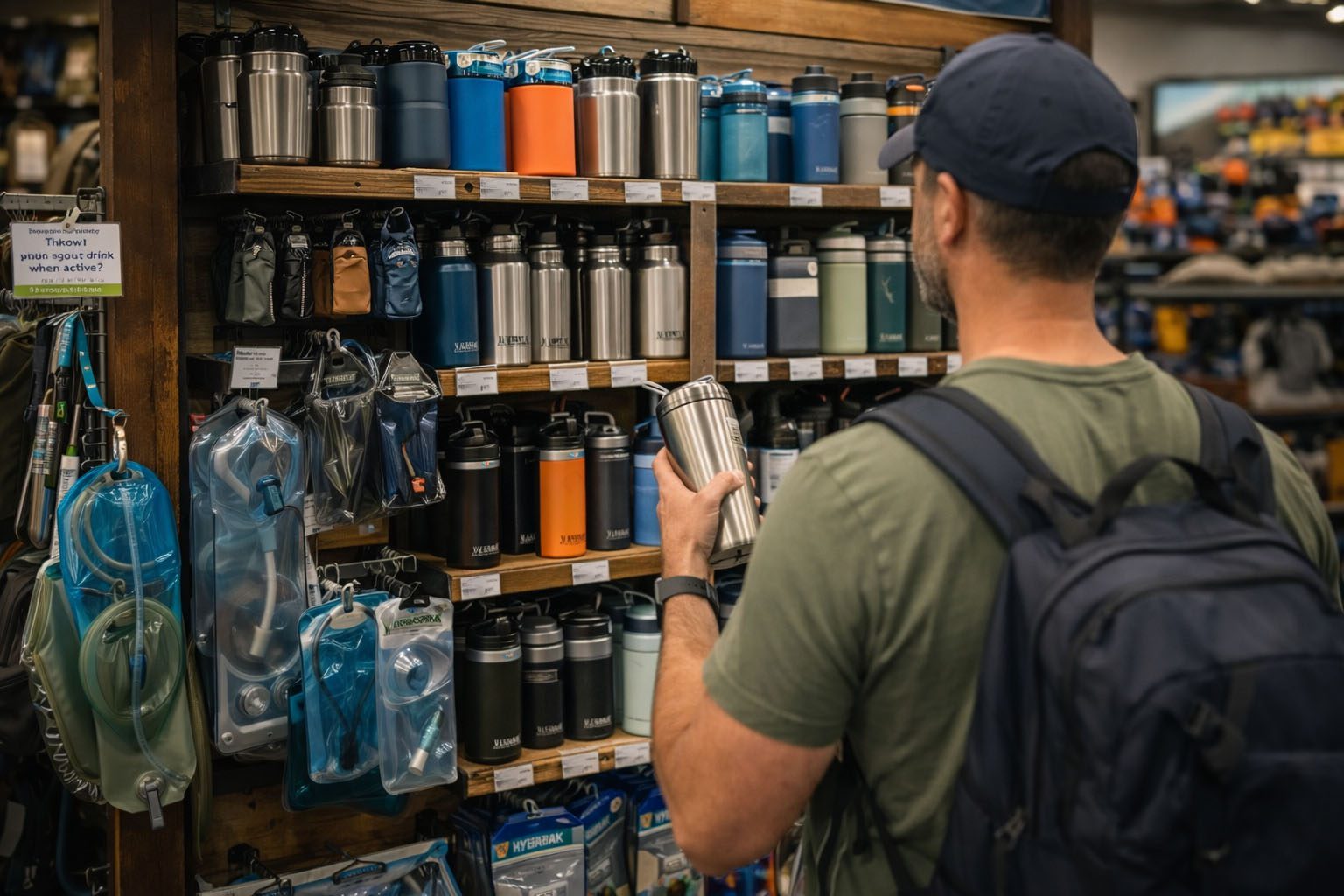
2. Hydration Has Evolved Beyond Bottles and Bladders
Hydration continues to be a top-performing spring/summer category, but the product mix looks very different than it did five years ago.
Today’s consumers are looking for:
- Modular hydration systems that adapt to different activities
- Lightweight soft flasks and collapsible solutions
- Hydration products that integrate with packs, belts, or apparel
- Clean ingredient hydration mixes positioned for endurance, heat, and recovery
Retail buyers should view hydration as a system, not a single SKU category. Cross-merchandising hydration gear with hiking, running, cycling, and paddlesports increases both basket size and sell-through.
What’s different: Fewer “one-size-fits-all” products, more activity-specific solutions.
3. Tech-Integrated Accessories Are Driving Impulse Purchases
Technology in outdoor gear used to mean big-ticket items like GPS units or watches. Now, tech is showing up in smaller, faster-turning accessories.
Trending items include:
- Solar-powered and fast-charge portable batteries
- Compact safety tech (satellite messengers, personal alarms)
- Smart lighting and headlamps with app or sensor integration
These products work especially well near checkout or in seasonal feature displays because they solve a clear problem and don’t require a long buying cycle.
Buying tip: Focus on tech that enhances safety, convenience, or efficiency—not gimmicks that require heavy explanation.
4. Lightweight, Packable Gear Is Replacing Bulky Legacy SKUs
Consumers are prioritizing portability and versatility across nearly every outdoor category. This is pushing brands to redesign traditional gear into lighter, smaller, and more packable formats.
Retail buyers are seeing strong momentum in:
- Packable seating and camp furniture
- Ultralight shelters and sun protection
- Minimalist cook systems and fuel solutions
Compared to years past, consumers are less interested in “basecamp-only” products and more interested in gear that works for day trips, travel, and mixed-use adventures.
Inventory insight: These SKUs often take up less shelf space while delivering higher turn rates.
5. Apparel Is Becoming Performance-Driven Again
After years of casual crossover styles dominating outdoor apparel, spring/summer buying is swinging back toward function-first performance wear.
Key apparel trends include:
- Sun-protective fabrics with UPF ratings
- Breathable, quick-dry materials for heat management
- Simplified silhouettes that layer well
Retail buyers should focus on apparel that clearly communicates why it performs better outdoors, not just how it looks. Clear hangtags and in-store storytelling matter more than ever.
6. Multi-Use Products Are Winning Shelf Space
One of the biggest shifts in retail buying strategy is the move toward multi-use gear. Consumers want products that justify their price by working across multiple activities.
Examples include:
- Packs that work for hiking, travel, and daily use
- Footwear designed for trail-to-town wear
- Accessories that transition from outdoor recreation to everyday utility
This trend reduces consumer friction and improves buyer confidence at the shelf.
What’s changed: Buyers are actively cutting single-purpose SKUs to make room for adaptable products.
7. Education-Driven Brands Are Standing Out
With tighter budgets and more competition, buyers are gravitating toward brands that help them sell the product, not just stock it.
Top-performing brands are providing:
- Clear merchandising guidance
- Staff education tools
- Simple explanations of product benefits
For retailers, these brands reduce friction at the point of sale and improve conversion without heavy discounting.
Final Takeaway: Buy for Flexibility, Not Forecasts
Late spring and summer buying is no longer about guessing the season—it’s about building flexible assortments that respond to weather shifts, consumer behavior, and rapid trend cycles.
Retail buyers who prioritize:
- Sustainable materials with real substance
- Hydration and tech systems, not one-offs
- Lightweight, packable, multi-use gear
will be better positioned to win shelf space, improve turns, and reduce markdown risk as the season unfolds.
The buying window is open now. The retailers who act decisively—and differently than years past—will feel it in their sell-through all summer long.
 Previous Article