
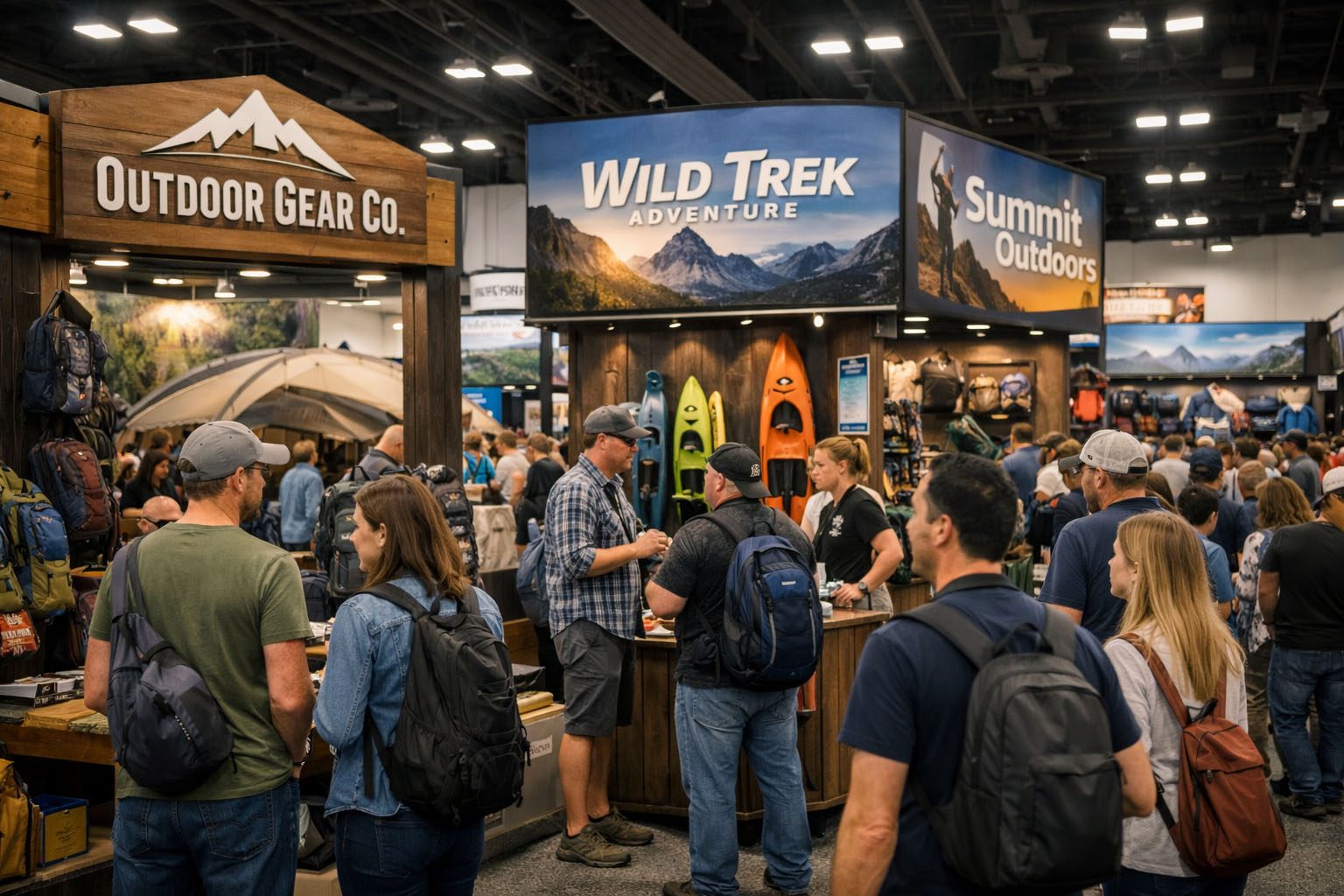
Spring and early summer are prime time for outdoor sporting goods tradeshows. For retailers and buyers, this is when assortments are shaped, vendor relationships are strengthened, and early momentum is built for the second half of the year. For brands, it’s the most concentrated opportunity to earn shelf space, secure preseason orders, and influence how products are merchandised in-store.
But attending a tradeshow doesn’t automatically equal ROI. The stores and brands that win treat tradeshows as a strategic business tool, not just a networking event. Here’s how retailers, buyers, and brands can make outdoor industry tradeshows truly effective.
Why Outdoor Tradeshows Still Matter in 2026
Despite the rise of digital catalogs and virtual sales meetings, outdoor gear remains a hands-on category. Buyers want to feel fabric, test pack weight, assess build quality, and understand product stories in person. Events like Outdoor Retailer and Switchback continue to be critical discovery points for new brands, product innovation, and category trends.
Tradeshows also compress months of emails, samples, and calls into a few focused days—making them one of the most efficient buying environments in the outdoor sporting goods industry.
Step One: Define Success Before You Arrive
The most effective tradeshow attendees arrive with a plan.
For retailers and buyers, success might mean:
- Identifying new spring/summer outdoor gear trends
- Filling assortment gaps in categories like camping, hiking, hydration, or accessories
- Meeting emerging brands before competitors do
- Negotiating preseason pricing, MAP policies, and margin opportunities
For brands, success often looks like:
- Booking qualified retail appointments
- Collecting preseason orders or strong reorder interest
- Educating buyers on product differentiation and sell-through strategy
- Gathering real-world feedback from retailers
Clear goals help prevent wandering the show floor without direction.
Pre-Show Preparation Separates Professionals from Browsers
High-performing buyers and brands do their homework before the doors open.
Retail buyers should:
- Review exhibitor lists and floor maps
- Prioritize must-see booths by category
- Schedule appointments in advance for top vendors
- Leave room for discovery—some of the best products aren’t on your radar yet
Brands should:
- Promote meetings ahead of time
- Prepare clean line sheets with MSRP, wholesale pricing, and margins
- Highlight best sellers and new product launches clearly
- Train booth staff to speak confidently about inventory turns and retail strategy
Preparation turns limited time into high-value conversations.
Making Face-to-Face Time Count on the Show Floor
Once the show starts, execution matters.
Retailers and buyers should focus on:
- Asking direct questions about sell-through, replenishment timelines, and merchandising support
- Comparing similar products side by side
- Taking clear notes and photos to review later with buying teams
Brands need to:
- Tell a clear, concise product story
- Show—not just tell—why a product belongs on the shelf
- Demonstrate use cases tied to real customers
- Be transparent about lead times, minimums, and reorder flexibility
Tradeshows reward clarity. Buyers remember booths that respect their time.
Merchandising and Storytelling Win Shelf Space
One of the biggest mistakes brands make is treating tradeshows like a catalog display. Retail buyers are thinking beyond the product—they’re imagining how it lives in-store.
Effective brands show:
- How products are grouped and displayed
- Cross-merchandising opportunities
- Packaging clarity for quick consumer education
- Seasonal placement ideas that boost basket size
Retailers should evaluate booths with an eye toward in-store execution, not just product specs.
Networking Is Where the Real Intelligence Lives
Beyond booths, tradeshows are information hubs. Panels, workshops, and informal conversations often reveal:
- Shifts in consumer demand
- Emerging outdoor recreation trends
- Pricing pressure across categories
- Inventory challenges other retailers are facing
For buyers, these insights help inform smarter purchasing decisions. For brands, they shape product development and go-to-market strategy.
Post-Show Follow-Up Is Where ROI Is Earned
The show doesn’t end when the floor closes.
Retailers and buyers should:
- Review notes within 48 hours
- Finalize orders while product details are fresh
- Communicate next steps clearly with vendors
Brands should:
- Follow up quickly with thank-you emails
- Send digital line sheets and order links
- Reconnect with serious buyers while momentum is high
Fast, organized follow-up is often the difference between interest and an actual PO.
Final Takeaway: Treat Tradeshows Like a Business Investment
Outdoor sporting goods tradeshows are not just about attendance—they’re about execution. When retailers, buyers, and brands align goals, prepare properly, and focus on real-world retail outcomes, tradeshows become one of the highest-ROI tools in the outdoor industry.
Those who treat them casually walk away with business cards. Those who treat them strategically walk away with partnerships, purchase orders, and a stronger competitive position for the season ahead.
 Previous Article