
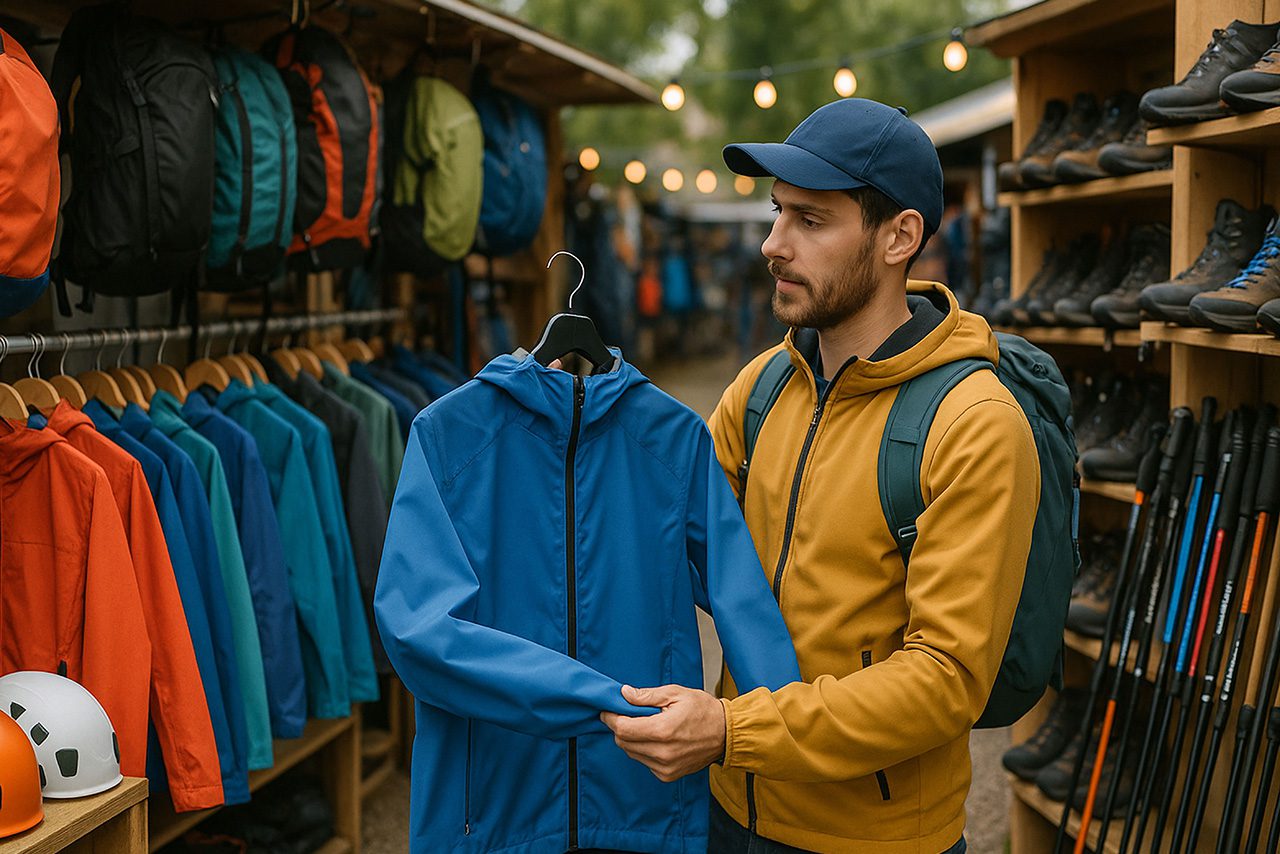
From camo to kayaks, optics to ammo, how you present your products can make or break the customer experience. Whether you’re running a brick-and-mortar shop, an eCommerce store—or both—strong merchandising is one of the fastest ways to increase conversions, drive repeat business, and boost average order value.
Here’s a crash course in Merchandising 101 for sporting goods retailers, packed with actionable tips for both physical storefronts and digital shelves.
What Is Merchandising, and Why Does It Matter?
Merchandising is more than just how products are displayed—it’s how you tell the story of your brand, guide customers to the right gear, and influence what they ultimately buy.
In a sporting goods store, great merchandising should:
- Lead customers naturally through your best-sellers
- Make seasonal products stand out
- Promote add-on items and bundle deals
- Reduce decision fatigue with clean layout and smart categorization
Online, it does the same—but in fewer clicks. Whether someone’s shopping for new trail cameras or stocking up on fall hunting gear, smart merchandising makes it easy to say “yes.”
In-Store Merchandising Tips for Sporting Goods Retailers
1. Build “Shoppable Zones” by Category or Activity
Organize your floor by how your customers think—by sport, season, or use-case. Examples:
- A “Fall Bowhunting” setup with scent control, broadheads, and packs
- A “Weekend Fishing Trip” section with rods, tackle, and coolers
This helps buyers visualize what they need and encourages multiple-item purchases.
2. Use End Caps and Entry Displays to Feature High-Margin or Seasonal Items
Your end caps are prime real estate—don’t waste them. Rotate these displays every 2–4 weeks to feature what’s relevant right now: camo before opening day, bear spray in early summer, or cold weather gear in late fall.
3. Cross-Merchandise Like a Pro
Place complementary items near each other—put knife sharpeners next to fixed-blade knives, or socks by hunting boots. This is a proven way to drive up average order size.
4. Make Price Points Clear and Tiered
Have an entry-level, mid-range, and premium option clearly presented for major categories (e.g., optics, trail cameras, boots). Customers like options, and this structure guides decision-making.
eCommerce Merchandising Tips for Sporting Goods Brands
1. Optimize Your Homepage by Season and Category
Update your banners, featured collections, and top navigation to match what your shoppers are looking for right now. Hunting season? Feature “Deer Season Must-Haves.” Summer months? Promote “Camping & Hiking Essentials.”
2. Use High-Quality Images with Lifestyle Context
Product photos should show the gear in action—don’t just show a knife on a white background. Include a photo of it being used to skin game. Context sells.
3. Create Bundles and “Complete the Kit” Recommendations
Amazon does this with “Frequently Bought Together,” and so should you. Offer curated bundles:
- “Beginner Bowhunting Kit”
- “Trail Camera Starter Bundle”
You’ll move more product and help shoppers feel confident in their purchase.
4. Filter and Search Functions Matter
Let shoppers narrow by use-case (e.g., predator hunting, freshwater fishing), brand, size, and price. The faster they find what they want, the more likely they’ll buy it.
5. Don’t Forget the Cart Page
The cart is a final chance to merchandise. Use it to suggest small add-ons: ammo, scent eliminators, or knife sharpeners. Upsells here are low-risk and high-reward.
Merchandising Mistakes to Avoid
- Overcrowding displays or product pages: Confusion kills conversions.
- Outdated signage or broken links: Keep your info current—online and in-store.
- Ignoring mobile users: Over half of hunting and fishing eComm traffic comes from mobile. Make sure your site is mobile-optimized and loads fast.
Why Merchandising Is Your Silent Salesperson
Great merchandising doesn’t feel like selling—it feels like serving the customer. It removes obstacles, makes the decision process easier, and turns browsers into buyers. It’s one of the most powerful (and most overlooked) growth tools in the outdoor retail space.
At Kelly Brand Management, we help brands and retailers fine-tune their merchandising strategy—online and offline. From designing in-store displays to optimizing digital product layouts, we make sure your customers see what they need, when they need it.
Final Word
Whether you run a sporting goods store in a small town or a fast-growing online outfitter, merchandising is where customer experience meets conversion. Nail this, and you’ll build a retail presence that not only moves product—but builds loyalty.
Ready to turn your store into a sales machine? Let’s connect and build a merchandising strategy tailored to your products, your brand, and your audience.
 Previous Article