
Crossbows have come a long way in recent years, with many models now firing bolts at speeds well over 400 feet per second. While this increase in speed translates to more power and extended effective range, it also demands more from your equipment—especially your broadheads. Choosing the wrong broadhead can mean erratic arrow flight, poor penetration, or even lost game.
The good news? Broadhead technology has evolved alongside crossbows. Today, hunters can choose from options designed to handle extreme speeds while maintaining accuracy and delivering lethal results.
Why Broadheads Matter More for High-Speed Crossbows
When shooting at higher velocities, every detail of your broadhead matters. At 300 FPS, you may be able to get away with minor imperfections. At 400+ FPS, those same imperfections become magnified, making the difference between a clean, ethical shot and a miss.
Here’s why broadhead choice is critical:
- Aerodynamic Stability – High-speed bolts demand broadheads that resist planning and fly true.
- Durability Under Stress – The impact forces at these speeds are significantly higher, requiring stronger ferrules and blades.
- Consistent Performance – With faster setups, you need a broadhead that opens reliably or cuts on contact every single time.
Key Features to Look for in Broadheads
Not all broadheads are created equal. When evaluating the best broadheads for high-speed crossbows, pay close attention to these features:
- Flight Accuracy – A broadhead should fly as close to a field point as possible to simplify practice and ensure consistency.
- Blade Deployment – For mechanical broadheads, deployment systems must withstand high speeds and still open reliably upon impact.
- Cutting Diameter – Larger cutting diameters can create better blood trails, but too much surface area can compromise flight at top speeds.
- Penetration Power – Smaller cutting diameters or cut-on-contact designs often achieve deeper penetration, which is crucial on larger game.
- Material Strength – High-grade steel or titanium components prevent bending, breaking, or premature blade loss.
Fixed Blade vs. Mechanical Broadheads
Both fixed and mechanical broadheads perform well with modern crossbows, but each has distinct strengths depending on your hunting style.
Fixed Blade Broadheads
- Offer unmatched reliability—there are no moving parts to fail.
- Provide excellent penetration, especially through heavy bone or tough hide.
- Can be more difficult to tune at higher speeds due to wind resistance and surface area.
Mechanical Broadheads
- Fly almost identically to field points, making them a favorite for crossbow hunters.
- Deliver wider cutting diameters, creating devastating wound channels and blood trails.
- Require precise engineering to ensure blades open on impact, especially at high speeds.
Ultimately, the decision often comes down to personal preference and the type of game you’re pursuing.
Why Swhacker Stands Out
While there are many broadheads on the market, Swhacker broadheads have become a favorite among high-speed crossbow hunters for one simple reason: their unique blade design.
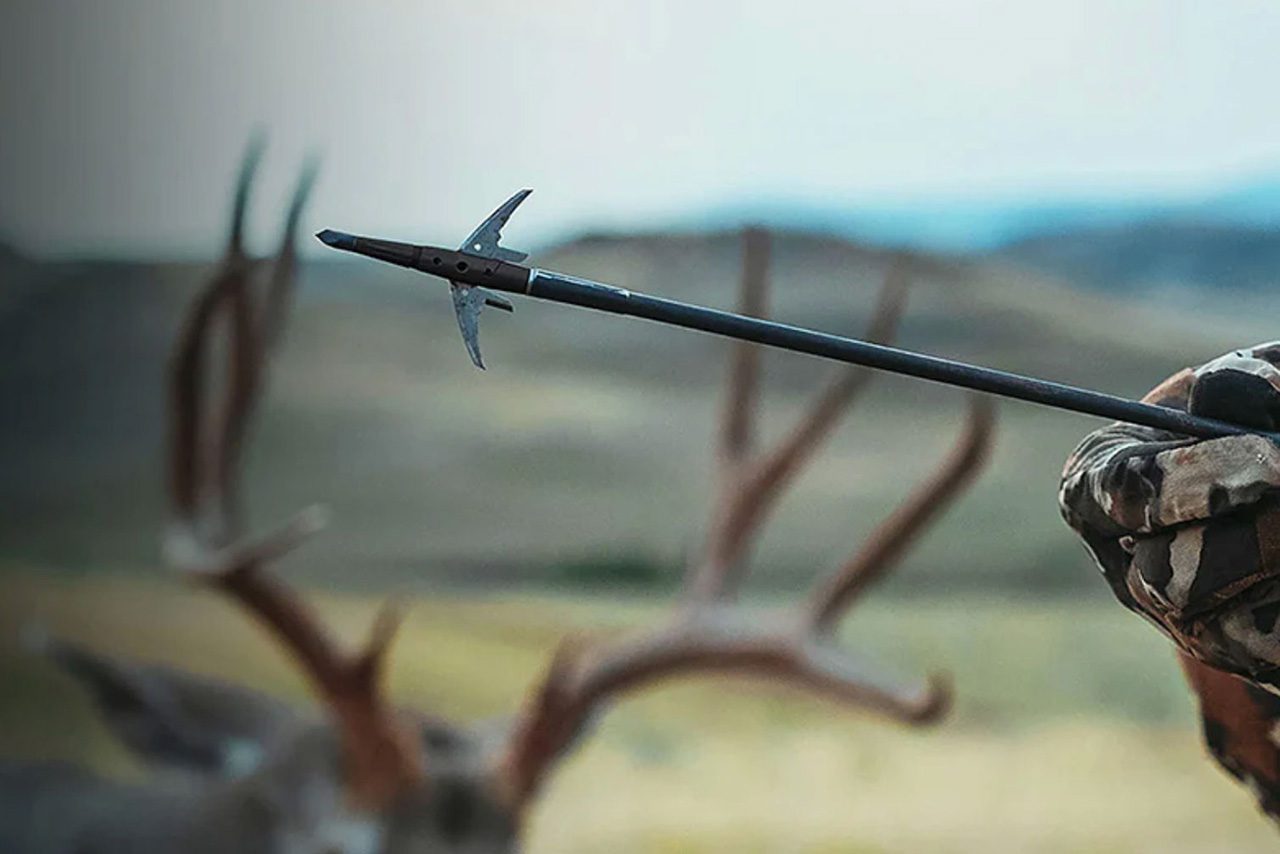
Swhacker broadheads feature a two-stage cutting system. The first set of “wing blades” slice through the hide and ribs, absorbing much of the initial impact. This protects the main blades, which then open inside the animal to cut fresh tissue, lungs, and vital organs. The result? Devastating wound channels and reliable penetration, even at extreme speeds.
Hunters using today’s fastest crossbows appreciate this design because it maintains accuracy at long ranges and ensures consistent performance where it matters most.
Matching Broadheads to Your Hunting Situation
When selecting a broadhead, it’s important to consider not just your crossbow speed, but also the type of game you’re targeting.
- Whitetail Deer – Mechanical broadheads with larger cutting diameters provide quick kills and easy-to-follow blood trails.
- Elk or Moose – Fixed blade broadheads or mechanicals with smaller cutting diameters often perform better, ensuring maximum penetration through thick hide and heavy bone.
- Turkeys – A wide-cutting broadhead can be effective, especially for head and neck shots where precision and cutting diameter are key.
Matching your broadhead style to your quarry ensures you’re making the most of your high-speed setup.
Tips for Getting the Best Performance
Even with the best broadheads, success comes down to preparation. Keep these tips in mind:
- Always practice with your hunting setup. High-speed crossbows amplify even minor differences in arrow weight or broadhead alignment.
- Check blade sharpness. A dull broadhead won’t cut efficiently, reducing penetration and blood trail quality.
- Inspect your gear often. High-velocity impacts can bend ferrules or weaken blade housings. Replace parts as needed.
- Match broadhead weight to your bolts. Most high-speed crossbows are tuned for 100- to 125-grain heads; use what your manufacturer recommends.
Final Thoughts
The best broadheads for high-speed crossbows combine accuracy, penetration, and durability. Fixed blades offer reliability and bone-crushing power, while mechanicals excel at accuracy and large wound channels. And with innovations like Swhacker’s two-stage cutting system, hunters now have options that balance both worlds.
No matter your choice, remember this: your broadhead is the final link between you and your target. Choosing the right one—and practicing with it—ensures you’re making the most of your crossbow’s speed and power while delivering clean, ethical harvests.
 Previous Article