
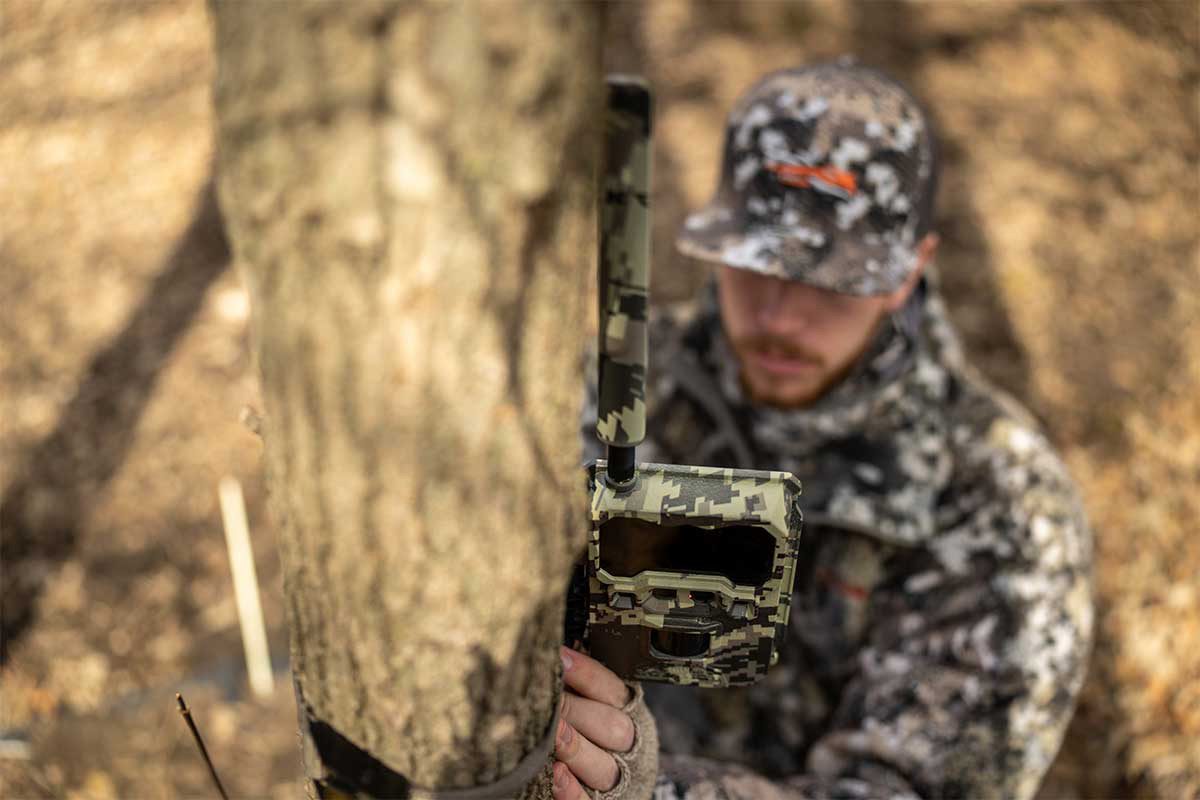
As a retailer in the outdoor and hunting space, you know trail cameras are one of the most sought-after tools once the rut begins. But here’s the truth: many customers buy a camera, hang it on the nearest tree, and end up disappointed when the photos don’t match their expectations.
That’s where you come in. By offering practical placement tips, you not only improve your customers’ success in the field—you build trust, drive repeat business, and differentiate your store as a go-to resource for hunting knowledge.
Let’s walk through the basics of trail camera placement during the rut, so you can use this information for your own hunting success and pass it along to customers who are buying from you.
Why Placement Matters in the Rut
During summer and early fall, deer are predictable. They stick close to food and bedding areas, and a camera on a field edge usually delivers good results. But once the rut kicks in, bucks are on the move—covering ground, checking scrapes, chasing does, and cruising corridors.
That means the real value you can provide your customers isn’t just selling them a camera—it’s explaining how and where to use it differently during this high-energy window. If their camera captures rut action, they’ll come back to your store for batteries, SD cards, cellular upgrades, and maybe even another camera.
Five High-Value Camera Locations to Recommend
Here’s where you (and your customers) should focus trail camera setups once rut activity heats up:
- Funnels & Travel Corridors
Saddles, ridgelines, creek crossings, and fence gaps naturally funnel deer movement. Tell your customers: “Find where terrain forces deer to pass, and you’ll find the rut action.” Cameras here deliver some of the most reliable intel. - Scrapes & Rub Lines
Bucks refresh scrapes and revisit rubs throughout the rut. Suggest to customers that they place a camera slightly off to the side of a scrape, at an angle. Not only will it capture visiting bucks, but the footage can often reveal what time of day they’re most active. - Bedding Area Edges
Bucks hang near doe groups in cover, especially in daylight. Recommend using no-glow cameras to avoid spooking deer, and setting them higher (5–6 feet up) to stay out of a buck’s direct line of sight. - Food Sources & Staging Areas
Does still hit food plots and fields, making them magnets for bucks. Encourage customers to set cameras on the trails leading into these areas or in staging timber 50–100 yards off the field edge. - Water Sources
Midday activity spikes at creeks, ponds, and wallows as deer burn calories and cover miles. Remind your customers: “Don’t overlook water—you’ll be surprised how often rut movement happens there.”
Setup Tips That Build Credibility
When you explain setup tips clearly, customers see your store as a knowledge hub—not just a sales counter. Here are easy talking points you can pass along:
- Height & Angle: Place cameras slightly above eye level and angle them down. This reduces spooking and ensures a better field of view.
- Flash Type: Push no-glow or low-glow models. They cost a bit more, but customers will appreciate not blowing out a mature buck.
- Photo vs. Video: Suggest using hybrid mode if the camera has it. Video captures more behavior, which keeps customers more engaged with their trail cam data.
- Check Less Often: Customers eager to check every weekend often ruin setups with scent. Recommend cellular models or larger SD cards to reduce pressure.
- Directional Placement: Mount cameras north or south to avoid sun glare ruining photos.
Common Customer Mistakes (and How You Can Help Them Avoid Them)
- Hanging cameras in summer spots during the rut (e.g., the same beanfield corner that worked in August).
- Mounting too low so tall grass or branches create false triggers.
- Using visible flash that spooks deer.
- Overchecking cameras and unintentionally pressuring deer.
If you make customers aware of these mistakes upfront, you save them frustration—and they’ll remember who helped them.
Turning Knowledge Into Sales
Here’s how trail camera placement education can translate directly to revenue for your store:
- Upsell higher-end models: When you explain why no-glow flash is better for rut setups, it’s easier to move customers up a tier.
- Accessory sales: Batteries, lockboxes, SD cards, mounting straps—every tip you give opens the door for add-on purchases.
- Cellular cameras: Customers who don’t want to check cams every few days are prime candidates for cellular models.
- Repeat visits: If a customer gets great rut photos thanks to your advice, they’ll come back to share the story—and likely to buy more gear.
Final Thoughts
Trail cameras are more than gadgets; they’re tools for strategy. When your store helps hunters understand where and how to place them during the rut, you create better customer experiences and stronger sales opportunities.
For you personally, the same principles apply. Adjust your own camera setups during rut season to capture those high-energy moments, and use the success stories in your store conversations. Nothing sells a camera faster than showing customers your own photos of a heavy-antlered buck cruising past your lens in broad daylight.
 Previous Article